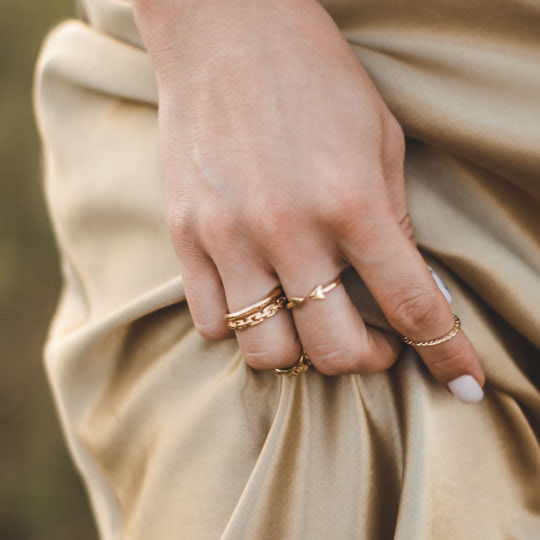

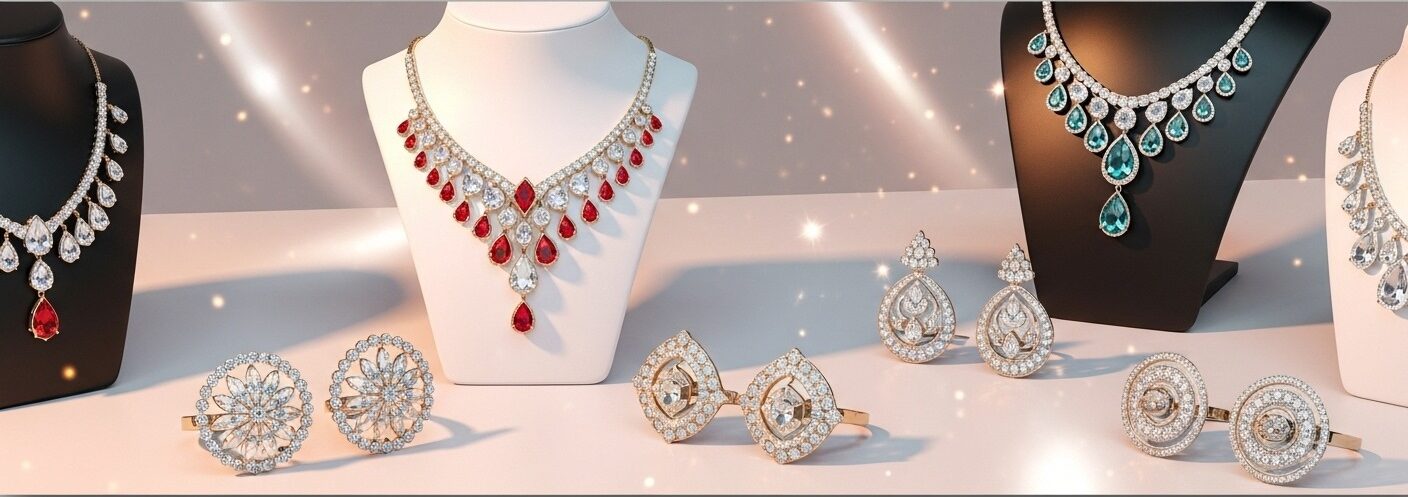
Why Artificial Jewelry is the Smart Choice for Modern Women
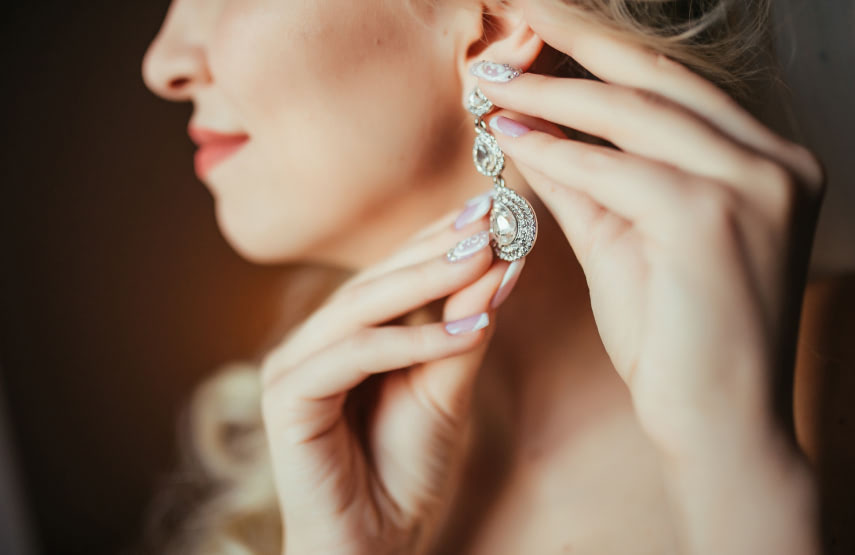
In today’s fast-paced fashion world, women seek accessories that complement their dynamic lifestyles without breaking the bank. Artificial jewelry has emerged as the ultimate solution — stylish, affordable, and sustainable. From…
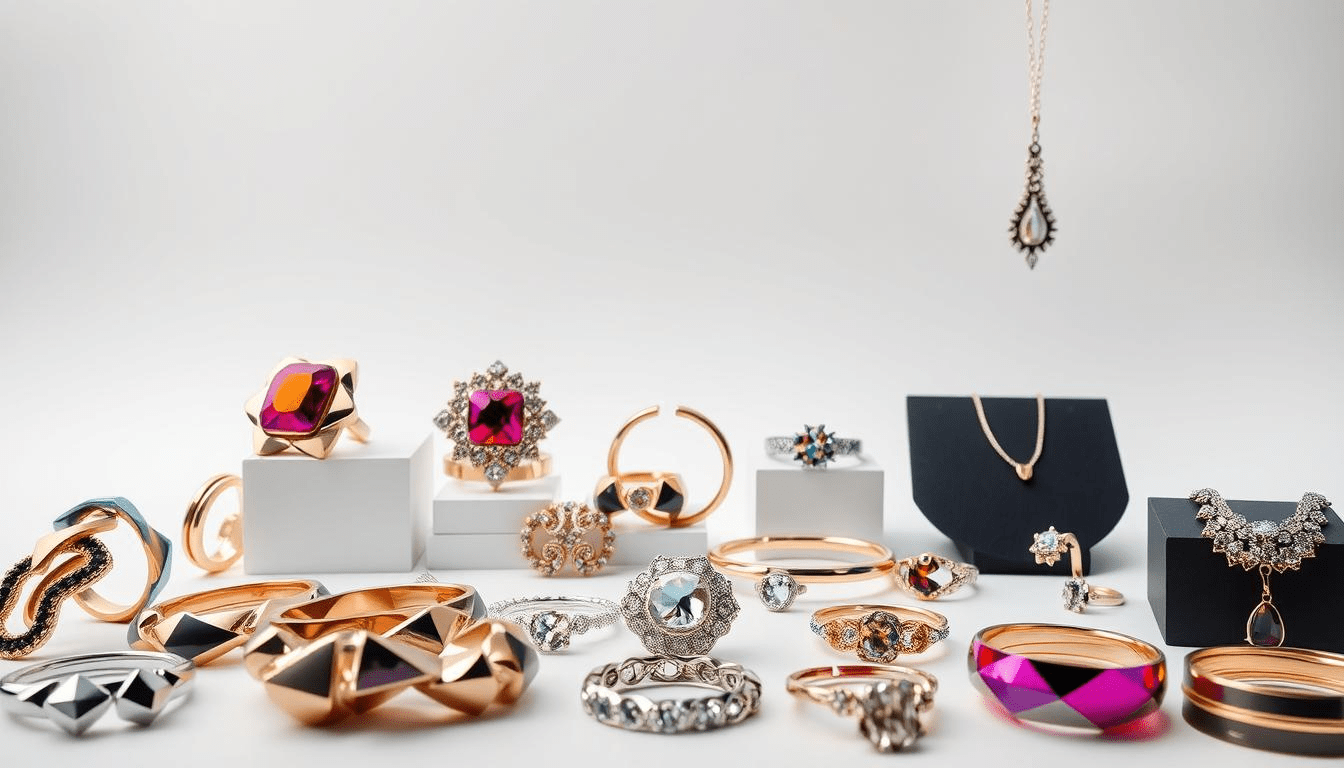
The Complete Guide to Artificial Jewelry: Trends, Styles, and Maintenance
Artificial jewelry has become an integral part of our lives, offering a wide range of styles and trends that cater to diverse tastes and preferences. Unlike traditional precious jewelry, artificial or costume jewelry is more accessible and affordable, making it a popular choice for many. The world of artificial jewelry is vast and varied, with designs that range from simple and elegant to intricate and bold. This guide will explore the history, materials, and styles of artificial jewelry, as well as provide tips on how to maintain your pieces to keep them looking their best. Key Takeaways Understanding Artificial Jewelry In the realm of fashion, artificial jewelry has gained significant popularity for its ability to complement various outfits without the hefty price tag of fine jewelry. This type of jewelry is designed to be fashionable and trendy, allowing individuals to keep up with the latest styles without a significant financial investment. What Defines Artificial Jewelry Artificial jewelry, also known as costume jewelry, is made from materials that are not considered precious, such as base metals, glass, and synthetic gemstones. These materials are often used to create pieces that mimic the look of fine jewelry but at a fraction of the cost. The Appeal of Costume Jewelry The appeal of costume jewelry lies in its affordability and versatility. It allows individuals to own multiple pieces that can be mixed and matched with different outfits, making it a staple in many people’s wardrobes. Additionally, costume jewelry can be easily updated with the changing seasons, keeping one’s style fresh and current. Artificial vs. Fine Jewelry: Key Differences The primary difference between artificial and fine jewelry is the material used in its construction. Fine jewelry is made from precious metals and genuine gemstones, whereas artificial jewelry uses more affordable alternatives. This difference significantly affects the price, durability, and overall value of the jewelry. Understanding these differences is crucial for making informed purchasing decisions, whether one is looking for a statement piece or an everyday accessory. The Evolution of Artificial Jewelry Through History The history of artificial jewelry is a rich tapestry woven from the threads of various cultures and technological advancements. This form of adornment has been a part of human expression for centuries, evolving significantly over time. Ancient Beginnings of Decorative Accessories In ancient civilizations, such as Egypt and Greece, artificial jewelry was made from materials like glass, ceramics, and base metals. These early adornments were not only decorative but also symbolic, often signifying status or spiritual beliefs. The Industrial Revolution and Mass Production The Industrial Revolution marked a significant turning point in the history of artificial jewelry. New manufacturing technologies enabled mass production, making costume jewelry more accessible to the general public. 20th Century Fashion Icons and Costume Jewelry Fashion icons of the 20th century, such as Coco Chanel and Elsa Schiaparelli, played a crucial role in popularizing costume jewelry. Their designs were bold, innovative, and highly influential, reflecting the era’s glamour and style. The Digital Age and Modern Designs Today, the digital age has brought about new design possibilities and distribution channels for artificial jewelry. Designers can now create intricate designs using 3D printing, and online platforms allow for global reach. Common Materials Used in Artificial Jewelry From base metals to eco-friendly alternatives, the materials used in artificial jewelry are as diverse as they are fascinating. The choice of material often depends on the desired appearance, durability, and cost of the final product. Base Metals and Alloys Base metals such as copper, zinc, and tin are commonly used in artificial jewelry due to their malleability and affordability. Alloys, which are mixtures of metals, are also popular for their strength and resistance to corrosion. For instance, brass, an alloy of copper and zinc, is often used to create durable and attractive pieces. Glass, Plastic, and Synthetic Gemstones Glass and plastic are versatile materials used to create a wide range of jewelry components, from beads to intricate designs. Synthetic gemstones, which mimic the appearance of natural stones, offer an affordable and ethical alternative to mined gemstones. These materials are particularly popular in statement pieces and fashion jewelry. Modern Eco-Friendly Materials The jewelry industry is increasingly shifting towards eco-friendly materials in response to consumer demand for sustainable products. This trend is driven by the desire to reduce environmental impact and promote ethical practices. Recycled Components Using recycled metals and materials is one way the industry is becoming more sustainable. Recycled components reduce the need for new mining and processing, thereby minimizing environmental damage.…